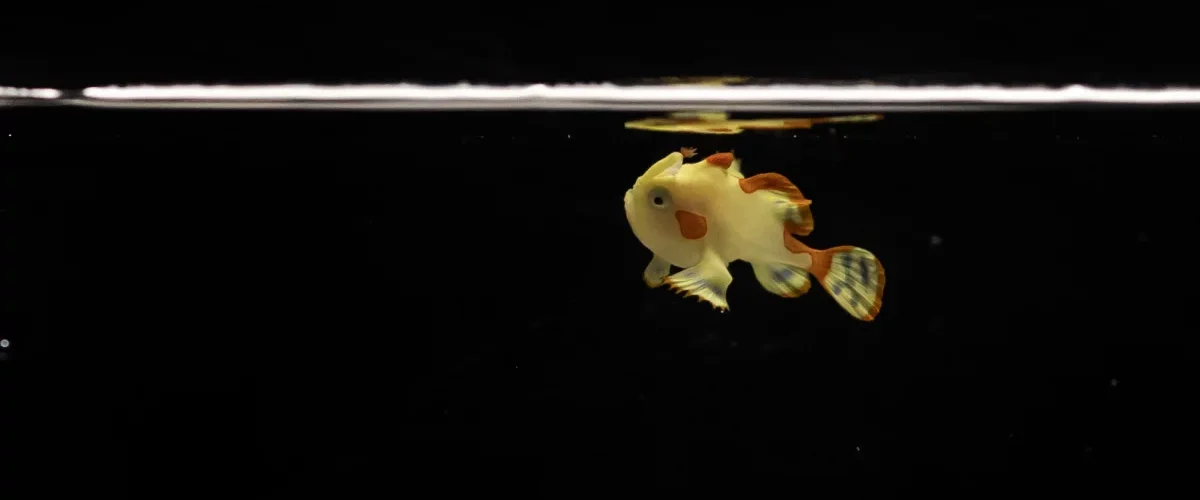
Imagine a fish the exact same size as a green pea. At the Shedd Aquarium, a teeny-tiny baby fish is making gigantic waves in the science world!
Located right on the shores of Lake Michigan in Chicago, Illinois, the Shedd Aquarium is one of the largest indoor aquariums in the world. It is like a giant indoor ocean where millions of people go to learn about aquatic life, and where scientists work hard to protect endangered animals. Now, for the very first time ever recorded, their caretakers have successfully hatched and raised a baby warty frogfish.
It took a lot of hard work, but this tiny creature is teaching scientists a huge amount about how to care for our oceans.
Meet the Warty Frogfish
Before we dive into the rescue story, what exactly is a warty frogfish and where do they live? Check out these fast facts:
| Feature | Description |
| Scientific Name | Antennarius maculatus |
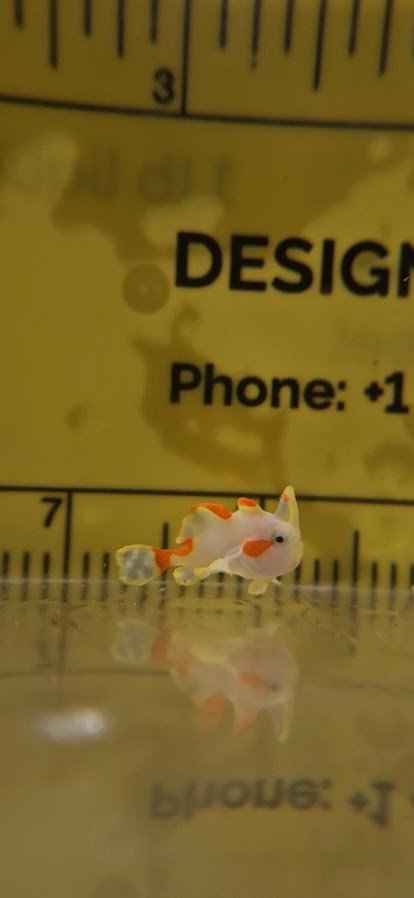
| Current Size | 1 cm (about the size of a pea!) |
| Colors | Yellow, orange, red, or brown |
| Texture | Covered in bumpy, wart-like spots to look like rocks and sea sponges |
| Wild Habitat | Warm, tropical waters in the Indo-Pacific Ocean. |
| Home Sweet Home | They love hiding in colorful coral reefs, rocky seabeds, and squishy sponge gardens. |
The Amazing Rescue Timeline
Raising this fish was a massive surprise and a huge challenge for the Shedd Aquarium team. Here is how they did it:
- The Surprise: In September 2025, caretakers found a squishy, jelly-like mass of eggs floating in the Wild Reef exhibit.
- The Rescue: They carefully moved the eggs to a safe, behind-the-scenes tank.
- The Hatching: The eggs hatched into thousands of microscopic larvae (the scientific word for baby fish).
- The Challenge: Fish lay thousands of eggs because baby fish have a very low survival rate. They need perfect conditions to grow.
- The Success: After five months of non-stop care, one tiny survivor grew into a healthy, 1-cm juvenile fish!
Recipe for Raising a Frogfish
Because no one had ever raised a warty frogfish in an aquarium before, there was no instruction manual! The experts at Shedd had to figure it out as they went. Here is what the baby fish needed to survive:
| Aquarium Care | Why It Matters |
| Perfect Water | Finding the exact right temperature and water flow to mimic the ocean. |
| Perfect Lighting | Making sure the tank wasn’t too bright or too dark for a baby fish. |
| Yummy Diet | Feeding the baby tiny brine shrimp grown right at the aquarium. |
| Expert Teamwork | Using past experience from raising other fish to guess what the frogfish needed. |
Why is this Such a Big Deal?
Raising a fish the size of a pea might seem like a small thing, but it is actually a massive victory for science and nature! Here is why this tiny fish is so important:
- Protecting Wild Fish: Aquariums want to show people these amazing creatures, but taking too many from the ocean can hurt wild populations. Now that scientists know how to raise them from eggs, aquariums won’t need to take as many from the wild!
- Building a Backup Plan: Wild oceans face big threats from human activity, pollution, and climate change. By learning to raise fish in aquariums, scientists are building “insurance populations.” If the wild fish ever get in trouble, aquariums will have a healthy backup group to help save the species.
- Solving Ocean Mysteries: Marine baby fish (larvae) are incredibly difficult to keep alive because their needs are so complicated. Every time scientists figure out how to raise a new species, it unlocks secrets that help them protect all kinds of ocean life.
Cool Warty Frogfish Superpowers
Senior aquarist Kayla Melton Rogala says that even though the baby is smaller than a dime, it already acts exactly like a grown-up! Here are some of their coolest tricks:
- Walking Fish: They don’t just swim! They use specially shaped fins to “walk” along the ocean floor, hopping over rocks and corals.
- Masters of Disguise: Their bumpy, colorful bodies look exactly like the coral reefs and sea sponges they live in, hiding them from bigger predators.
- Built-in Fishing Pole: They have a special fin on their head that acts like a squiggly worm. They wiggle it to lure in other fish for dinner!
While the baby frogfish is safely growing up behind the scenes, you can try to spot its master-of-disguise parents hiding in the rocks at the Shedd Aquarium’s Wild Reef exhibit in Chicago!