Every Day is a Yay! Day
Homeโ€บLearning Hubโ€บVolcanoes
๐ŸŒ Geography

Volcanoes

๐ŸŒ Geography KS2 โ€” Ages 7โ€“11 โœ“ 3 key facts
๐ŸŒ‹

โญ Key Facts

1 Volcanoes are openings in the Earth's crust through which hot molten rock called magma erupts.
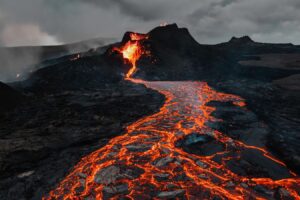
2 When magma reaches the surface it is called lava, which can flow at up to 60 km/h.
3 Most volcanoes are found along the edges of tectonic plates, especially around the Pacific Ocean in a region called the Ring of Fire.
Find out what causes volcanic eruptions and where volcanoes are found.

A volcano is a mountain or hill with an opening at the top or side through which hot, molten rock bursts out from deep inside the Earth. Deep below the Earth’s crust, there are pockets of extremely hot liquid rock called magma. When pressure builds up, the magma pushes through cracks or vents in the surface โ€” this is called an eruption. Once magma reaches the surface it’s called lava, and it can be scorching hot (up to 1,200ยฐC!). Volcanoes also shoot out ash, steam and poisonous gases. Most volcanoes sit along the edges of tectonic plates โ€” the giant sections of rock that make up the Earth’s crust. Around the Pacific Ocean, so many volcanoes line up that the region is nicknamed the ‘Ring of Fire’. Not all volcanoes are dangerous โ€” many are dormant (sleeping) or extinct (finished erupting).

โ† Learning Hub