Every Day is a Yay! Day
Homeโ€บLearning Hubโ€บSettlements and Land Use
๐ŸŒ Geography

Settlements and Land Use

๐ŸŒ Geography KS2 โ€” Ages 7โ€“11 โœ“ 3 key facts
๐Ÿ˜๏ธ

โญ Key Facts

1 Settlements range in size from isolated farms and hamlets to villages, towns and cities.
2 Most settlements were founded near fresh water, flat land, and natural resources.
3 Land use describes how an area of land is used โ€” for example, residential, commercial, industrial, agricultural or recreational.
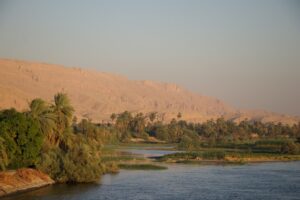
Explore how and why settlements developed and how land is used within them.

A settlement is any place where people live permanently โ€” from a single isolated farmhouse to a sprawling city of millions. Settlements are often classified by size: hamlet (very small, a few houses), village (a small community, usually with a church and local services), town (larger, with shops, schools and transport links), city (large with a wide range of services, often with a cathedral). Early settlements were almost always founded in places with access to clean water, fertile land for farming, natural shelter from wind or flooding, and materials for building. Over time, settlements grow and change. Land use describes what different areas within a settlement are used for: residential (housing), commercial (shops and offices), industrial (factories and warehouses), agricultural (farming) and recreational (parks and sports facilities).

โ† Learning Hub