Travel from mountain sources to the deep sea with the world’s most famous rivers.
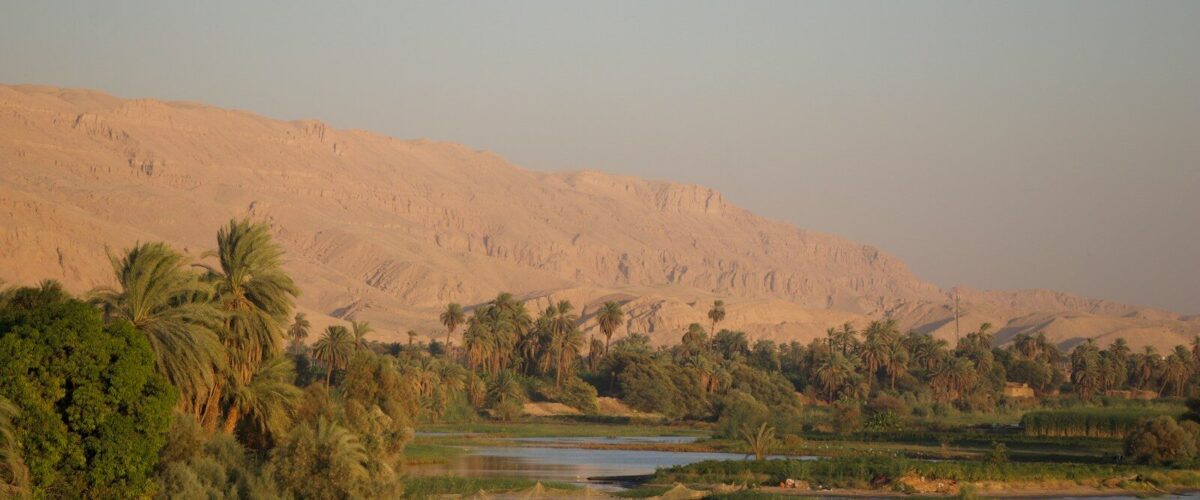
Rivers are like the Earth’s veins, carrying fresh water across huge distances. The Nile in Africa is a record-breaker, stretching over 6,600 kilometres. It was the heart of Ancient Egypt, providing water for crops in the middle of a desert. Meanwhile, the Amazon in South America is the widest. During the wet season, it can be over 190 kilometres wide! It pumps so much fresh water into the Atlantic Ocean that it changes the colour of the sea for miles.
Rivers usually start high up in mountains at a ‘source’. This might be melting snow or a small spring. As the water flows downhill, it joins other small streams to become a wider river. Along the way, rivers carve out valleys and transport silt (tiny bits of rock and soil). This makes the land around them very good for farming. Eventually, the river reaches the sea at its ‘mouth’. This is often a busy place for cities and ports.
Jersey doesn’t have any giant rivers because our island is too small. Instead, we have ‘douits’ (the local name for small streams and watercourses). In the past, these were vital for powering water mills to grind corn. Even though they aren’t as big as the Thames or the Nile, they are still important for our local wildlife and plants.