Every Day is a Yay! Day
HomeLearning Hub

📚 Learning Hub

Fun facts, explanations and learning materials — across every subject!

94Topics to explore
Subject:
🌍 Geography
KS2

The World’s Greatest Rivers — Amazon, Nile, Thames and More

Travel from mountain sources to the deep sea with the world’s most famous rivers.
Key facts:
✓ The Nile is generally considered the longest river on Earth.
✓ The Amazon carries more water than the next seven largest rivers.
+3 more
🌍 Geography
KS3

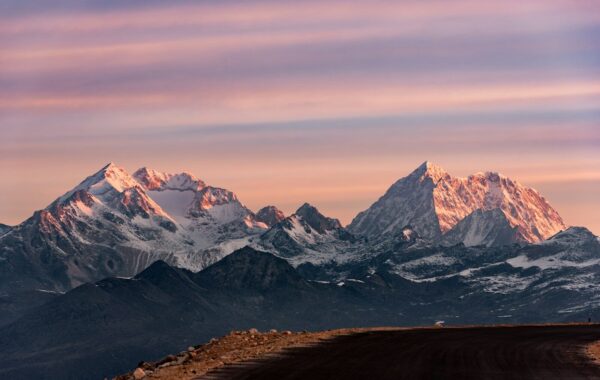
How Mountains Are Formed and Why They Have Different Climates

Explore the massive forces that push up mountains and why their peaks are so cold.
Key facts:
✓ Mountains cover about one-quarter of the Earth's total land surface.
✓ Fold mountains form when tectonic plates crumble upwards together.
+3 more
🌍 Geography
KS2

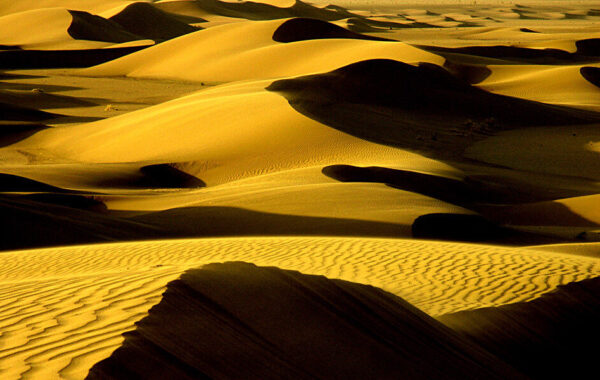
Deserts — Not Just Sand: The World’s Driest Places Explained

Journey to the driest corners of the globe, from scorching sands to frozen ice.

Key facts:
✓ A desert is defined by low rainfall, not just heat.
✓ Antarctica is actually the largest and coldest desert on Earth.
+3 more
🌍 Geography
KS3

How Maps Work — Latitude, Longitude and Grid References

Master the secret grid lines that allow explorers and sat-navs to find any location.
Key facts:
✓ Latitude lines run east to west, measuring north and south.
✓ Longitude lines run north to south, measuring east and west.
+3 more
🌍 Geography
KS3

The Ocean Floor — Mountains, Trenches and Strange Life Below

Dive miles below the waves to find giant trenches and glowing deep-sea monsters.

Key facts:
✓ The Mariana Trench is deeper than Mount Everest is tall.
✓ Most of the ocean floor has never been seen by humans.
+3 more
🌍 Geography
KS2

What Is Climate and How Is It Different From Weather?

Learn why weather changes every day but climate stays the same for decades.

Key facts:
✓ Weather is what happens outside over minutes or days.
✓ Climate is the average weather pattern over 30 years.
+3 more
🌍 Geography
KS2

The Water Cycle

How does water travel around our planet?
Key facts:
✓ Water evaporates from oceans and lakes when heated by the sun.
✓ Water vapour rises and cools to form clouds.
+3 more
🏛️ History
KS3

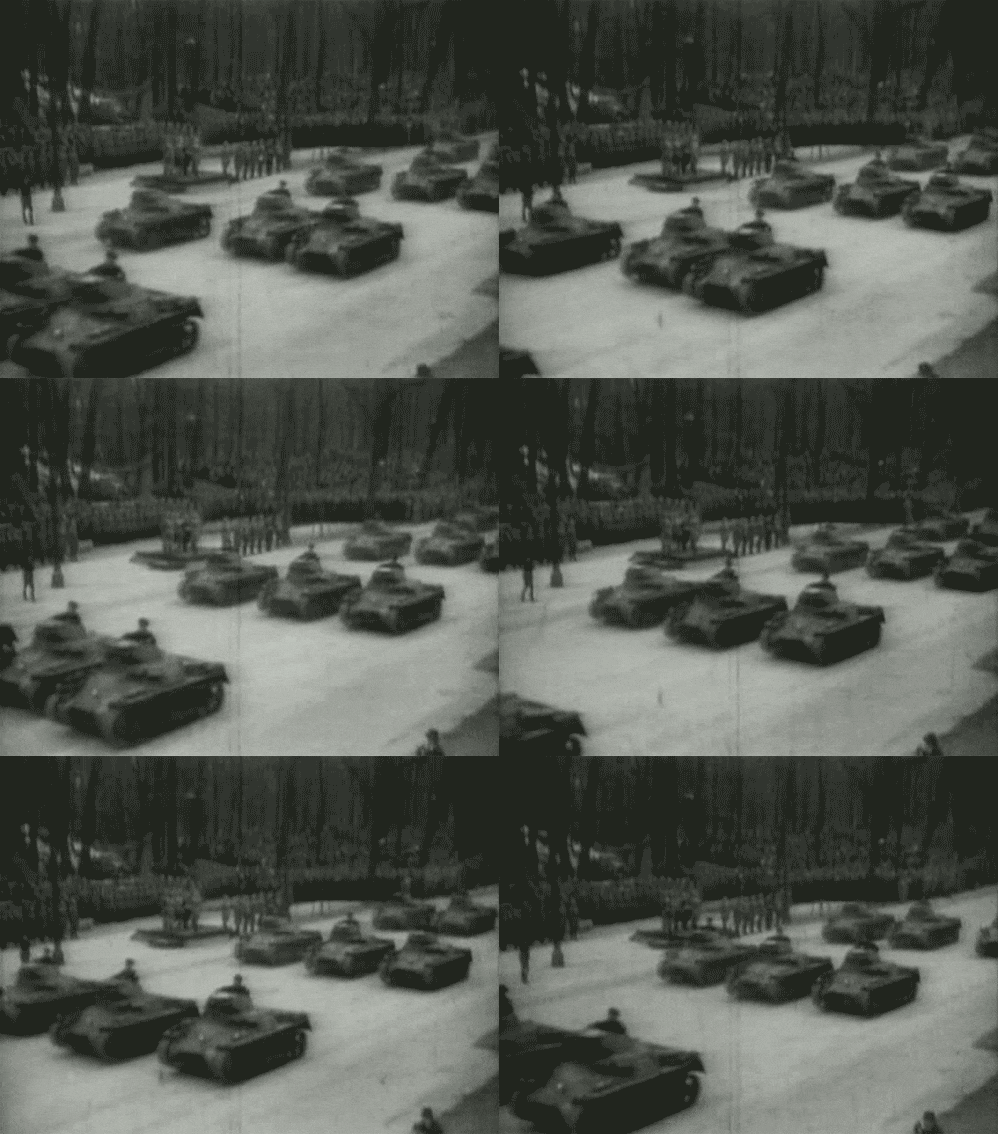
World War Two — Key Facts

The Second World War lasted from 1939 to 1945.
Key facts:
✓ WW2 began on 1 September 1939 when Germany invaded Poland.
✓ Over 70 million people died during the war.
+3 more
🔬 Science
KS2

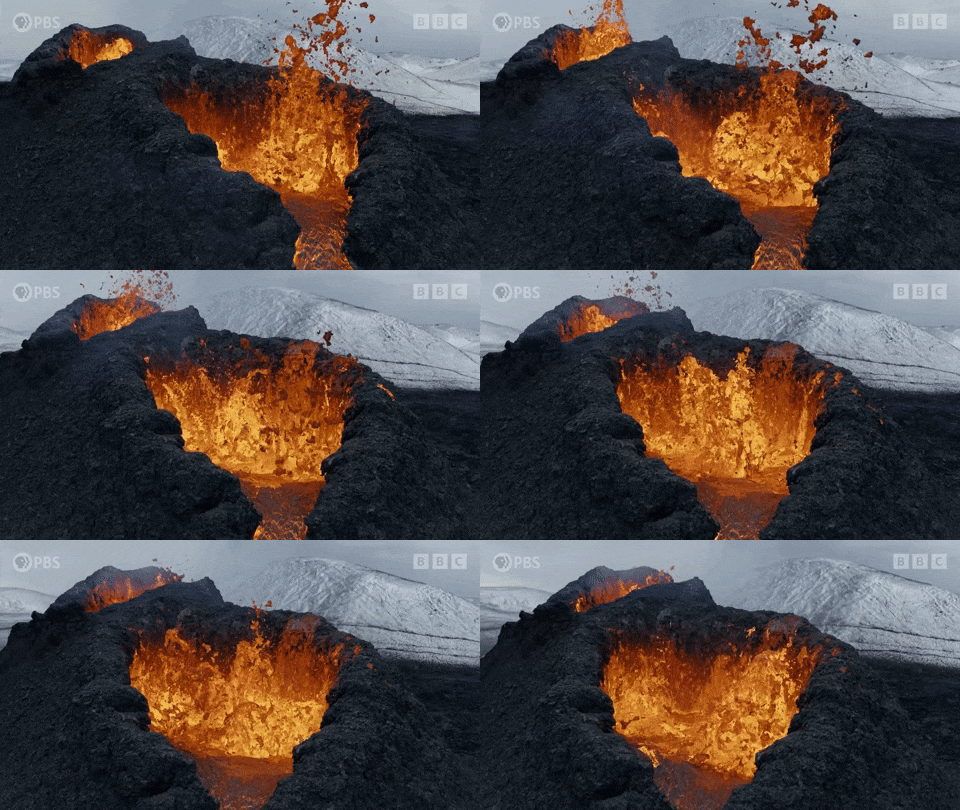
How Volcanoes Work

What makes a volcano explode?

Key facts:
✓ Molten rock underground is called magma. When it erupts, it's called lava.
✓ Volcanoes usually form where tectonic plates meet.
+3 more
🎨 Art
KS3

The Impressionist Art Movement

How Monet and friends changed painting forever.

Key facts:
✓ Impressionism got its name from Monet's painting "Impression, Sunrise".
✓ Artists used quick, visible brushstrokes to capture mood.
+3 more
1 6 7 8