Every Day is a Yay! Day
Homeโ€บLearning Hub

๐Ÿ“š Learning Hub

Fun facts, explanations and learning materials โ€” across every subject!

94Topics to explore
๐Ÿ–๏ธ ๐ŸŒ Geography
KS2

Coasts

Explore how waves shape the coastline, creating cliffs, caves, arches and beaches.

Key facts:
โœ“ A coast is where the land meets the sea โ€” the UK has around 17,800 km of coastline.
โœ“ Waves erode (wear away) cliffs and rocks to form features like caves, arches, stacks and beaches.
+1 more
๐ŸŒณ ๐ŸŒ Geography
KS2

Rainforests and Biomes

Discover what biomes are and explore the incredible biodiversity of the tropical rainforest.

Key facts:
โœ“ A biome is a large region of the world with a distinctive climate, vegetation and wildlife.
โœ“ Tropical rainforests cover just 6% of Earth's surface but are home to more than half of the world's plant and animal species.
+1 more
๐Ÿ˜๏ธ ๐ŸŒ Geography
KS2

Settlements and Land Use

Explore how and why settlements developed and how land is used within them.

Key facts:
โœ“ Settlements range in size from isolated farms and hamlets to villages, towns and cities.
โœ“ Most settlements were founded near fresh water, flat land, and natural resources.
+1 more
๐ŸŒค๏ธ ๐ŸŒ Geography
KS2

Weather and Seasons

Discover what causes the UK’s four seasons and how meteorologists measure the weather.

Key facts:
โœ“ Weather is the day-to-day condition of the atmosphere; climate is the average weather pattern over many years.
โœ“ The UK has four seasons โ€” spring, summer, autumn and winter โ€” caused by Earth's tilt as it orbits the sun.
+1 more
๐Ÿž๏ธ ๐ŸŒ Geography
KS2

Rivers

Find out how rivers form, flow and shape the landscape around them.

Key facts:
โœ“ Rivers begin at a source (usually high ground) and end where they meet the sea or a lake โ€” called the mouth.
โœ“ The area of land drained by a river and its tributaries is called a river basin or catchment area.
+1 more
๐ŸŒ ๐ŸŒ Geography
KS2

Climate Zones

Explore Earth’s five climate zones and discover what shapes the world’s weather.

Key facts:
โœ“ The Earth has five main climate zones: tropical, dry, temperate, continental and polar.
โœ“ Climate zones are determined mainly by distance from the equator โ€” areas near the equator are hottest.
+1 more
๐Ÿ’ง ๐ŸŒ Geography
KS2

The Water Cycle

Learn how water travels around our planet in a never-ending journey.

Key facts:
โœ“ Water evaporates from oceans, rivers and lakes when heated by the sun.
โœ“ Water vapour rises into the atmosphere, cools, and condenses to form clouds.
+1 more
๐ŸŒ‹ ๐ŸŒ Geography
KS2

Volcanoes

Find out what causes volcanic eruptions and where volcanoes are found.

Key facts:
โœ“ Volcanoes are openings in the Earth's crust through which hot molten rock called magma erupts.
โœ“ When magma reaches the surface it is called lava, which can flow at up to 60 km/h.
+1 more
๐Ÿงญ ๐ŸŒ Geography
KS2

Maps and Compass Points

Learn how to read maps and use compass directions to navigate.
Key facts:
โœ“ The four main compass points are North, South, East and West.
โœ“ The eight compass points add the in-between directions: NE, SE, SW and NW.
+1 more
๐ŸŒ Geography
KS3

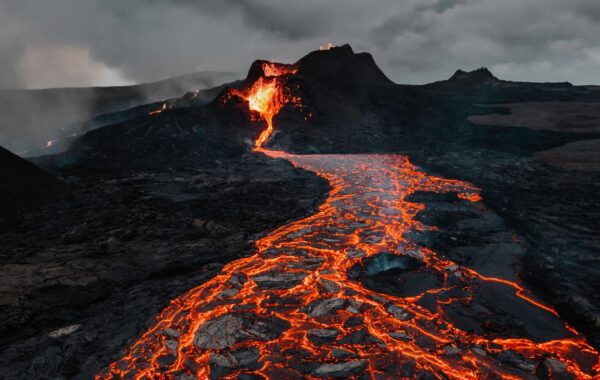
How Volcanoes Erupt and Why They Are Both Dangerous and Useful

Discover how erupting mountains destroy landscapes while creating the most fertile soil on our planet.
Key facts:
โœ“ Magma is molten rock underground, while lava is above ground.
โœ“ The Ring of Fire contains 75% of Earth's active volcanoes.
+3 more
๐ŸŒ Geography
KS2

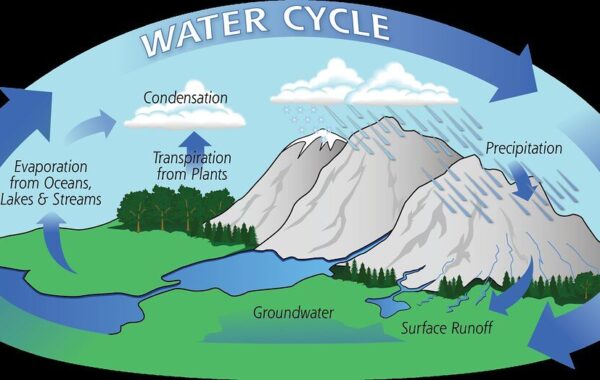
The Water Cycle โ€” How Rain Is Made and Where It Goes

Take a journey from the deep blue ocean to the clouds and back down to earth.
Key facts:
โœ“ The Earth has the same water it had billions of years ago.
โœ“ The sun is the engine that powers the whole cycle.
+3 more
๐ŸŒ Geography
KS3

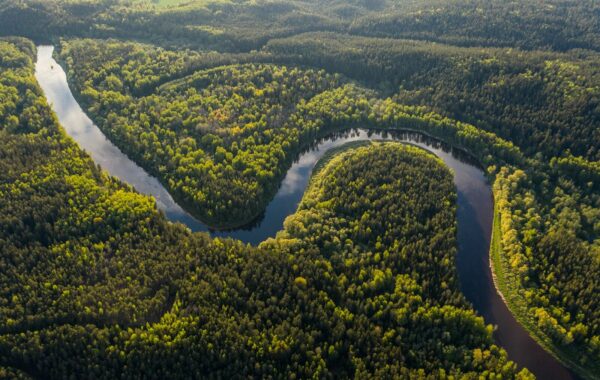
Why the Amazon Rainforest Is the Lungs of the Earth

Find out why a forest in South America is vital for the air you breathe in Jersey.

Key facts:
โœ“ The Amazon spans across nine different South American countries.
โœ“ It produces about 20% of the world's total oxygen.
+3 more